Retro Coffee: A Display Font for Handmade Makers and Small Shops
I was sitting at my craft table, staring at a blank label template for a new batch of vanilla bean candles. The product was ready, the scent was perfect, but the packaging felt flat. I needed a font that would capture the cozy, vintage vibe I was going for without looking like every other farmhouse label on Etsy. That’s when I stumbled across Retro Coffee, a display font that promised to bring creative ideas to the highest level. Within minutes of downloading it, I knew this typeface was going to become a staple in my shop. If you’re a handmade seller, printable creator, or product designer looking for a unique font that stands out on physical goods and digital downloads, let me walk you through how Retro Coffee performs on real products and shop materials.
Retro Coffee for Handmade Labels and Product Packaging
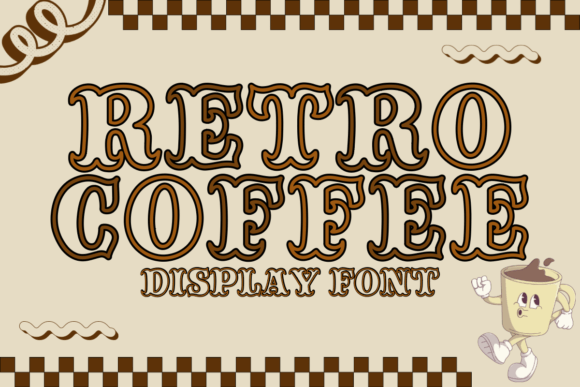
Retro Coffee is a display font with a warm, nostalgic personality that feels both handcrafted and refined. The letterforms have a charming irregularity—slightly uneven strokes, gentle curves, and a subtle vintage touch that makes every word feel like it was stamped by hand. I tested it on candle labels, soap wraps, and boutique tags, and the results were stunning. On small kraft paper labels (about 2 by 3 inches), the font remained legible and inviting, especially for short phrases like “Vanilla Bean” or “Hand Poured.” The weight of the characters is substantial enough to hold its own on packaging without needing extra outlining or effects. For product makers who want their packaging to feel personal and premium, Retro Coffee delivers that handmade aesthetic without sacrificing professionalism. Just keep in mind that this is a display font, so it shines brightest on titles, product names, and short descriptors rather than lengthy ingredient lists or fine print. Pair it with a clean sans serif for the small details, and your packaging will look cohesive and polished.
Wedding Invitations and Stationery with Retro Coffee
When I moved on to testing Retro Coffee on wedding invitation mockups, I was blown away by how naturally it fits into elegant, romantic designs. The font’s slightly imperfect edges give it a bespoke feel that couples love for save-the-dates, ceremony programs, and welcome signage. I designed a simple invitation suite with “Together with their families” set in a light serif and the couple’s names in Retro Coffee. The contrast was perfect—the display font drew the eye immediately without overwhelming the rest of the layout. For stationery designers and printable creators, this font works beautifully on digital templates, printed cards, and even vellum overlays. The letterforms are wide enough to cut on a Cricut or Silhouette for layered paper invitations, but I recommend testing a small proof first because the decorative details may require a bit of extra weeding on intricate cuts. Overall, Retro Coffee is a fantastic choice for wedding stationery, birthday cards, and any printed piece that needs a touch of vintage charm.
Readability and Cutting Tips for Retro Coffee on Cricut and Silhouette
As a maker who uses a cutting machine almost daily, readability is a top concern when I choose a font. Retro Coffee performs well on medium to large cuts—think tote bags, wooden signs, and large wall art. I used it to create a 10-inch farmhouse sign that read “Gather” and the letters cut cleanly with minimal weeding trouble. The open counters and generous spacing help the font hold up even when scaled down for small stickers or product tags, but I wouldn’t recommend using it for text smaller than about 0.5 inches tall because the decorative details can start to blur. For Cricut users, I suggest using the “weld” function for multi-letter words to keep the letters connected. On Silhouette, the “offset” tool can add a slight shadow that makes the font pop on vinyl. If you’re creating printable wall art or digital downloads, Retro Coffee looks fantastic at larger sizes for titles and quotes. For longer phrases, keep the word count low—this font is a display typeface, not a body text font, so it’s best for short, impactful statements.
Font Pairing Ideas with Retro Coffee for Brand Consistency
One of the smartest moves I made was finding a reliable font pairing for Retro Coffee. Because it’s a decorative display font, it needs a simple partner to balance the visual weight. I tested it with a clean sans serif like Montserrat Light, and the combination worked beautifully on product labels, website banners, and social media graphics. For a more rustic feel, try pairing it with a handwritten script that echoes the same irregular warmth. If you’re building a brand identity for your shop, using Retro Coffee for your logo and main headings, then a simple serif or sans serif for body text, creates a consistent look across merchandise, packaging, and digital assets. This pairing strategy also helps when you’re designing cohesive product lines—customers start to recognize your brand just from the typography alone. I’ve used this font on everything from coffee mug designs to boutique clothing tags, and it always gives the product a cohesive, handcrafted feel.
Commercial License and File Formats for Retro Coffee Sellers
Before you start selling products with Retro Coffee, it’s essential to check the commercial licensing terms. The font typically comes with a standard license that covers most physical products like stickers, mugs, shirts, and packaging. If you plan to sell digital templates, printables, or SVG-style designs that include the font outlines, you may need an extended license. Always read the included documentation or contact the designer to confirm what’s allowed. The file formats I received included OTF, TTF, and WOFF, which cover print, web, and cutting machine use. Multilingual support is also available, so if you create products for international markets, you can use accented characters without worry. I recommend downloading the font, installing it, and running a few test prints or cuts before you launch a product line. Understanding the license and file compatibility upfront will save you headaches down the road and ensure your shop stays compliant.
After using Retro Coffee on candles, invitations, signs, and digital downloads, I can confidently say it’s a display font that deserves a spot in every maker’s toolbox. Its unique charm, reliable performance on real materials, and versatility across product types make it a valuable asset for handmade sellers, stationery designers, and small shop owners. Whether you’re creating product labels, wedding stationery, or boutique packaging, Retro Coffee brings a level of warmth and personality that helps your work stand out in a crowded marketplace. Add it to your font library, test it on your next project, and see how it transforms your creative ideas into something truly special.